Competitor Backlink Analysis: The Complete Guide to Finding Powerful Link Building Opportunities
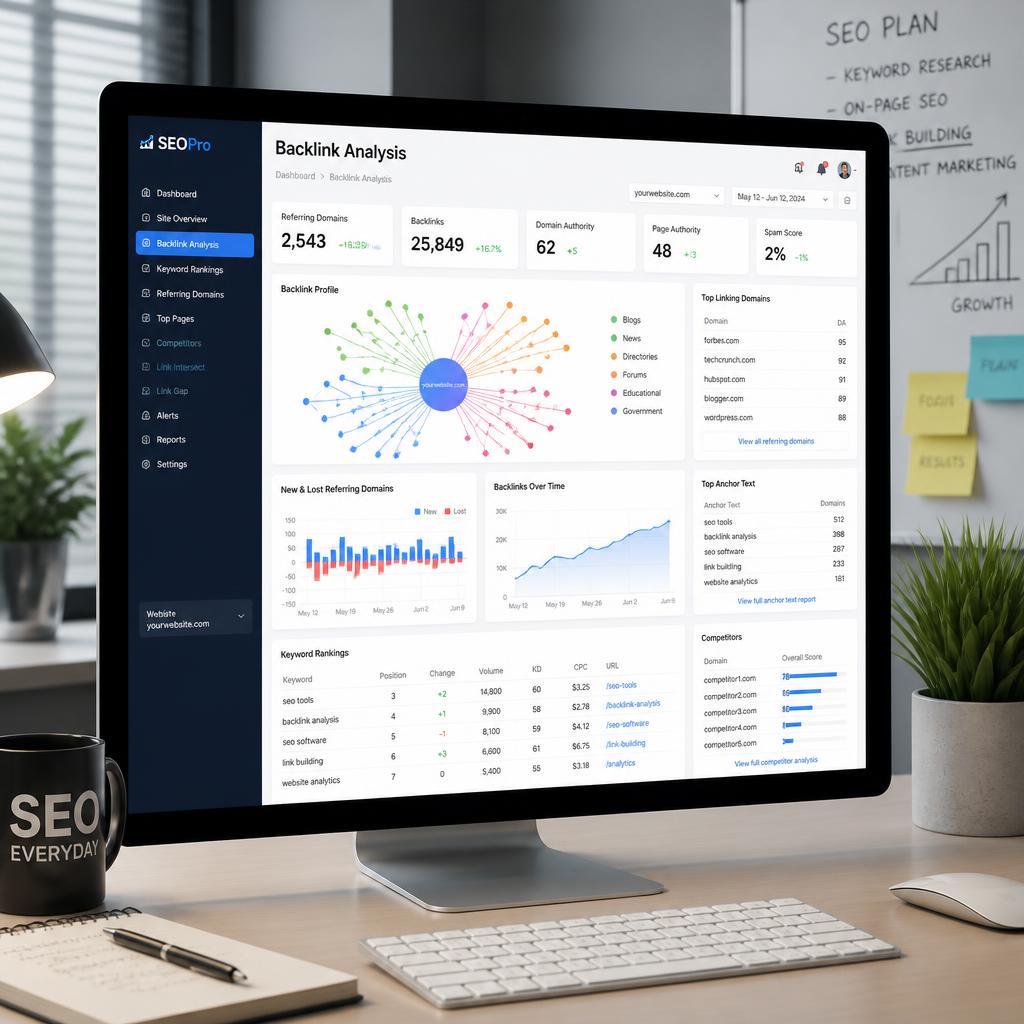
Backlinks remain one of the most important ranking factors in search engine optimization (SEO). High-quality backlinks help websites improve their authority, increase organic traffic, and achieve better search engine rankings. However, building valuable backlinks can be challenging without a clear strategy.
One of the smartest and most effective SEO techniques is competitor backlink analysis. Instead of guessing where to find link opportunities, you can analyze the backlink profiles of your competitors and discover websites that are already willing to link to content in your industry.
This guide will walk you through the entire competitor backlink analysis process, explain why it matters, and show you how to turn competitor insights into a successful link-building strategy.
What Is Competitor Backlink Analysis?
Competitor backlink analysis is the process of examining the websites that link to your competitors. By studying these backlinks, you can uncover valuable opportunities to earn similar links for your own website.
The idea is simple: if a website has linked to your competitor’s content, there is a good chance it may also be interested in linking to your content if you provide value.
This strategy allows you to build a targeted backlink acquisition plan based on proven opportunities rather than random outreach.
Why Competitor Backlink Analysis Is Important
Many website owners spend countless hours searching for link opportunities manually. Competitor backlink analysis dramatically reduces this effort while increasing effectiveness.
Here are some of the main benefits:
Discover Proven Link Opportunities
Instead of starting from scratch, you can identify websites that have already linked to content related to your niche. These websites are often much more likely to consider linking to your content.
Understand Your Competitors’ SEO Strategy
Analyzing backlinks reveals where competitors focus their link-building efforts. You can see which websites they target, what content attracts links, and which strategies produce results.
Find High-Authority Websites
Competitor backlink analysis helps uncover authoritative websites that may be difficult to find through standard searches. These sites can significantly boost your domain authority and rankings.
Save Time and Resources
Rather than contacting random websites, you can focus your outreach efforts on websites with a demonstrated interest in your industry.
Improve Search Engine Rankings
Acquiring quality backlinks from relevant sources can increase your website’s authority and improve its visibility in search engine results.
Step 1: Identify Your Main Competitors
Before analyzing backlinks, you need to determine which competitors to study.
Many businesses make the mistake of focusing only on their direct business competitors. However, in SEO, your competitors are the websites that rank for the keywords you want to target.
How to Find SEO Competitors
Start by creating a list of your primary keywords. Then search for those keywords on Google and identify the websites consistently appearing on the first page.
Look for websites that:
- Rank for similar keywords
- Target the same audience
- Publish similar content
- Compete for the same search traffic
Choose three to five competitors for your analysis. This provides enough data to identify useful patterns without becoming overwhelming.
Verify Competitor Relevance
Not every ranking website is a useful competitor.
For example, large authority sites such as Wikipedia or major news organizations may rank for your keywords, but replicating their backlink profiles may not be realistic.
Focus on websites that are similar in size, authority, and business model to your own.
Step 2: Gather Competitor Backlink Data
Once you’ve identified competitors, the next step is collecting backlink data.
Several SEO tools provide detailed backlink information.
Ahrefs
Ahrefs is widely considered one of the most comprehensive backlink analysis tools available. Its backlink database contains billions of links and is frequently updated.
Useful Ahrefs reports include:
- Referring Domains
- Backlinks
- New Backlinks
- Lost Backlinks
- Best Pages by Links
Semrush
Semrush offers powerful competitor backlink analysis features that allow users to compare multiple domains simultaneously.
Important reports include:
- Backlink Analytics
- Backlink Gap Analysis
- Referring Domains
- Authority Score
Moz Link Explorer
Moz provides valuable backlink metrics, including Domain Authority and Spam Score, helping users evaluate link quality.
Export the Data
Export competitor backlink reports into spreadsheets for easier analysis.
Collect information such as:
- Linking website
- Referring page
- Domain authority
- Anchor text
- Link type
- Link status
Organizing this information helps identify trends and opportunities more efficiently.
Step 3: Identify Common Backlink Patterns
Once you have gathered backlink data, begin looking for recurring patterns.
Patterns often reveal the most effective link-building opportunities in your niche.
Find Common Referring Domains
Look for websites that link to multiple competitors.
If a website links to several competitors but not to your website, it becomes a high-priority outreach target.
These websites have already demonstrated interest in your industry and may be receptive to your content.
Analyze Link Types
Different backlinks are acquired through different strategies.
Common backlink types include:
- Guest posts
- Resource pages
- Directory listings
- Editorial mentions
- Product reviews
- Interviews
- Case studies
- Sponsorships
Understanding the types of links competitors earn helps you determine which link-building methods are most successful in your niche.
Examine Anchor Text
Anchor text analysis reveals how competitors are being referenced.
Look for:
- Branded anchors
- Keyword-rich anchors
- Generic anchors
- Naked URLs
This information can help you understand how websites naturally reference content in your industry.

Step 4: Evaluate Link Quality
Not all backlinks provide equal value.
One high-quality backlink from a respected website can be worth far more than dozens of low-quality links.
Assess Domain Authority
Review the authority metrics of linking domains.
Generally, prioritize websites with:
- Strong domain authority
- Consistent traffic
- Positive reputation
- Relevant content
Check Relevance
Relevance is one of the most important factors in backlink value.
A backlink from a highly relevant website often carries more SEO benefit than a link from a larger but unrelated site.
For example, a marketing blog linking to a digital marketing website is typically more valuable than a link from an unrelated entertainment website.
Review Link Placement
The position of a backlink on a page influences its effectiveness.
Editorial links placed naturally within content usually provide greater value than links found in footers, sidebars, or author profiles.
Avoid Toxic Links
Be cautious of low-quality backlinks from:
- Spam websites
- Private blog networks
- Link farms
- Irrelevant directories
Replicating harmful links can negatively impact your SEO performance.
How to use AI to create an eCommerce website?
Best Content Formats for AI Citations in 2026
How is AI transforming marketing in 2026?
Which is the best AI tool?
Step 5: Conduct Backlink Gap Analysis
A backlink gap analysis identifies websites linking to competitors but not to your site.
This is often the most valuable part of competitor backlink analysis.
Compare Domains
Use backlink comparison tools to identify:
- Shared backlinks
- Unique competitor backlinks
- Missing opportunities
The goal is to create a list of websites that already link to your competitors but not to you.
Prioritize Opportunities
Not every backlink opportunity deserves equal attention.
Prioritize websites based on:
- Authority
- Relevance
- Traffic
- Link placement quality
- Outreach difficulty
Create a ranking system to focus your efforts on the most valuable opportunities first.
Step 6: Create Better Content
Many websites link to competitors because they provide useful content.
To earn similar backlinks, your content often needs to be as good as—or better than—the existing content.
Improve Existing Content
Analyze the pages attracting the most backlinks for competitors.
Then create content that is:
- More detailed
- More current
- Better designed
- More actionable
- Richer in examples
This approach is often called the “Skyscraper Technique.”
Add Unique Value
Give website owners a compelling reason to link to your content.
Consider adding:
- Original research
- Industry statistics
- Infographics
- Expert interviews
- Interactive tools
- Detailed case studies
Unique content increases your chances of earning backlinks naturally.
Step 7: Launch Outreach Campaigns
After creating valuable content, begin reaching out to potential linking websites.
Personalize Every Email
Avoid sending generic outreach messages.
Instead:
- Use the recipient’s name
- Reference their content
- Explain why your content is relevant
- Highlight the value for their audience
Personalized outreach significantly improves response rates.
Keep Emails Short
Website owners receive numerous outreach emails daily.
Keep your message concise and focused.
Explain:
- Who you are
- Why you’re contacting them
- Why your content is useful
- The specific page where your link could fit
Follow Up Professionally
Many opportunities require follow-up.
A polite reminder sent a few days later can increase success rates without appearing pushy.
Monitor Competitor Backlinks Continuously
Competitor backlink analysis is not a one-time activity.
Competitors continue acquiring new links regularly.
Track New Backlinks
Monitor competitor backlink growth to discover fresh opportunities.
New backlinks often represent active websites that may also be interested in your content.
Watch Lost Links
Sometimes competitors lose valuable backlinks.
These lost-link opportunities can become excellent targets for your outreach campaigns.
Identify Industry Trends
Long-term monitoring reveals emerging trends in link building and content marketing.
Understanding these trends allows you to adapt your strategy before competitors gain an advantage.
Common Mistakes to Avoid
When performing competitor backlink analysis, avoid these common errors:
Focusing Only on Quantity
A large number of backlinks does not necessarily indicate success.
Prioritize quality over volume.
Ignoring Relevance
Relevant backlinks generally provide greater value than unrelated links.
Copying Every Competitor Link
Not all competitor backlinks are worth replicating.
Evaluate each opportunity individually.
Neglecting Content Quality
Even excellent outreach cannot compensate for poor content.
Create content worthy of earning links.
Failing to Track Results
Measure the impact of your efforts by monitoring:
- New backlinks
- Referral traffic
- Keyword rankings
- Domain authority growth
Recommended Competitor Backlink Analysis Checklist
Use this checklist to streamline your workflow:
✔ Identify SEO competitors
✔ Export competitor backlink data
✔ Analyze referring domains
✔ Find common backlink sources
✔ Identify backlink gaps
✔ Evaluate link quality
✔ Create superior content
✔ Conduct personalized outreach
✔ Monitor new competitor links
✔ Track campaign performance
Can AI automate SEO?
Is SEO Dead Due to AI? Let’s Unpack the Truth
Which AI is best for shopping?
Final Thoughts
Competitor backlink analysis is one of the most effective methods for discovering high-quality link-building opportunities. Rather than relying on guesswork, you can use real data to identify websites that are already linking to content within your industry.
By carefully analyzing competitor backlinks, identifying gaps, creating exceptional content, and executing targeted outreach campaigns, you can build a stronger backlink profile and improve your search engine rankings over time.
Successful SEO is often about learning from what already works. Competitor backlink analysis provides a roadmap to proven opportunities, allowing you to focus your efforts where they are most likely to deliver results.