Resource Page Link Building: The Complete Guide to Earning High-Quality Backlinks
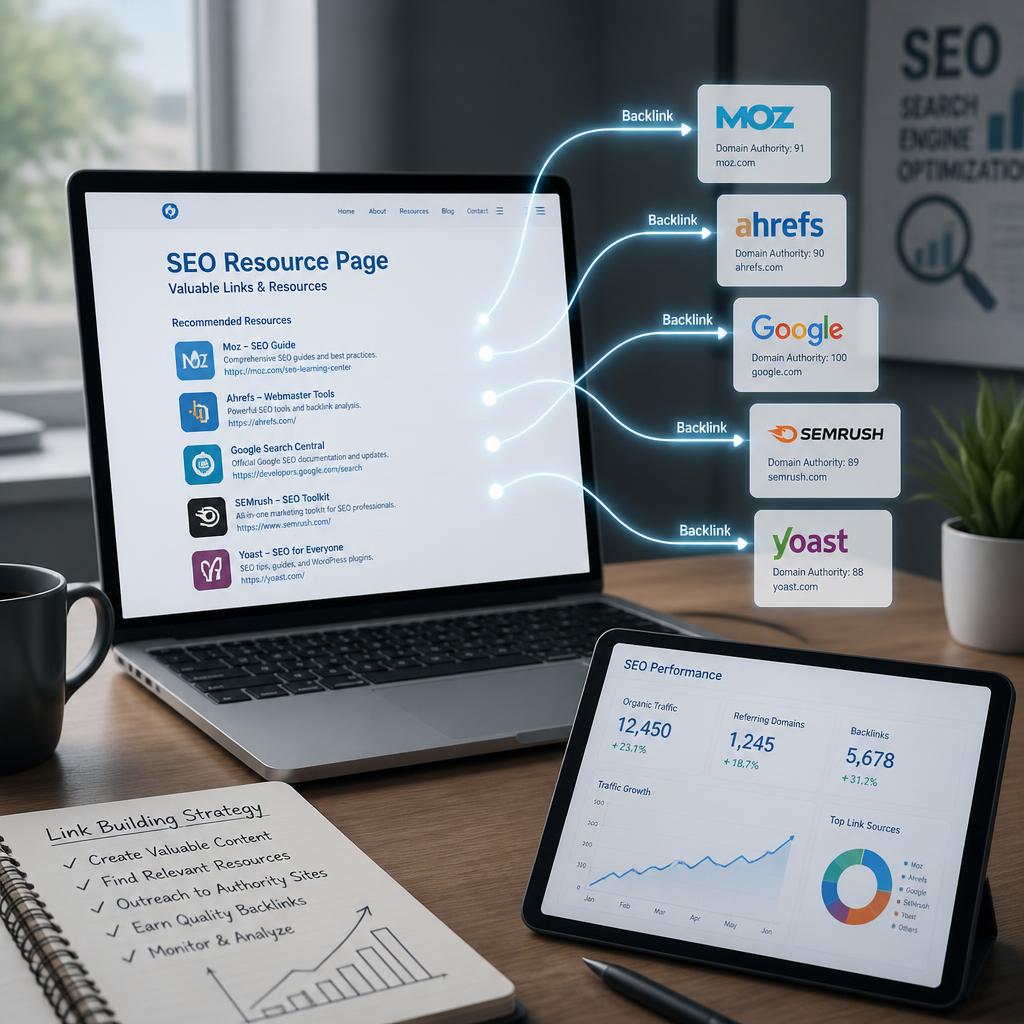
Building high-quality backlinks remains one of the most effective ways to improve search engine rankings, increase website authority, and drive targeted traffic. While many link-building tactics come and go, Resource Page Link Building continues to be one of the most reliable and scalable SEO strategies available.
Unlike many outreach-based link-building methods, resource page link building works because website owners actively want to discover useful resources that can help their audience. Instead of convincing someone to link to your content, you’re simply showing them a resource that naturally fits their existing page.
In this comprehensive guide, you’ll learn what resource pages are, why they are valuable for SEO, how to find resource page opportunities, and the exact process for earning backlinks from them.
What Is Resource Page Link Building?
Resource page link building is the process of earning backlinks by getting your content, tool, guide, or website listed on a page that curates useful resources for a specific audience.
A resource page typically contains:
- Helpful articles
- Industry tools
- Educational resources
- Research reports
- Guides and tutorials
- Recommended websites
- Useful references
These pages are often created to help visitors find valuable information in one convenient location.
Examples include:
- Marketing resource pages
- SEO tools directories
- Educational resource hubs
- Industry association resources
- University reference pages
- Nonprofit organization resources
Because these pages are specifically designed to link to external websites, they represent excellent backlink opportunities.
Why Resource Page Links Matter
Resource page backlinks offer several unique advantages compared to other link-building methods.
Editorially Chosen Links
The website owner chooses which resources deserve inclusion.
This means the backlink is editorially placed, which generally makes it more valuable than self-created links.
Highly Relevant Backlinks
Most resource pages focus on a specific topic or niche.
When your content is included, the backlink is highly relevant, which increases its SEO value.
Authority Benefits
Many resource pages exist on authoritative websites such as:
- Universities
- Government organizations
- Industry associations
- Educational platforms
- Professional organizations
Links from these websites can significantly strengthen your backlink profile.
Referral Traffic
Unlike some backlinks that exist purely for SEO purposes, resource page links often send actual visitors to your website.
People browsing resource pages are actively searching for information and are more likely to engage with your content.
Scalability
Every industry contains hundreds or even thousands of potential resource pages.
This makes the strategy highly scalable for long-term link-building campaigns.
Types of Resource Pages
Not all resource pages look the same.
Understanding the different types can help you find more opportunities.
Educational Resource Pages
Schools, colleges, and universities often maintain pages containing educational references and learning materials.
These pages frequently have strong authority and trust signals.
Industry Resource Hubs
Industry websites often create resource sections for professionals within their field.
Examples include:
- Marketing resources
- Legal resources
- Healthcare resources
- Real estate resources
Association Resource Pages
Professional organizations commonly maintain recommended resources for their members.
These pages often provide highly relevant backlinks.
Tool and Software Directories
Many websites maintain lists of useful tools and software products related to a specific industry.
Community Resource Pages
Nonprofits, local organizations, and community groups often publish curated resource collections.
How to Find Resource Page Opportunities
Finding quality resource pages is the foundation of a successful campaign.
Use Google Search Operators
Google search operators help uncover resource pages quickly.
Useful search queries include:
- intitle:”resources” + keyword
- intitle:”useful resources” + keyword
- intitle:”helpful links” + keyword
- inurl:resources + keyword
- inurl:links + keyword
- “recommended resources” + keyword
- “helpful websites” + keyword
These searches often reveal hundreds of potential targets.
Analyze Competitor Backlinks
One of the fastest ways to discover resource pages is by analyzing competitor backlink profiles.
SEO tools such as Ahrefs and Semrush allow you to see where competitors have earned backlinks.
When you find a competitor listed on a resource page, there’s a good chance your content could qualify as well.
Explore Industry Associations
Many associations maintain member resources and recommended websites.
Search for organizations within your industry and review their resource sections.
Find Broken Resource Links
Resource pages often contain outdated or broken links.
Finding these broken resources creates an excellent outreach opportunity because you’re helping the page owner improve their page.
How to Qualify a Resource Page
Not every resource page deserves your attention.
Evaluating opportunities before outreach saves time and improves success rates.
Check Relevance
Relevance should be your highest priority.
Ask:
- Does the page target your audience?
- Does your content fit naturally?
- Would visitors genuinely benefit from your resource?
Highly relevant opportunities often outperform higher-authority but unrelated pages.
Evaluate Authority
Review metrics such as:
- Domain Authority (DA)
- Domain Rating (DR)
- Authority Score
Although these metrics aren’t Google ranking factors, they can help identify stronger websites.
Check Traffic
Pages with organic traffic can provide both SEO value and referral traffic.
A backlink that sends real visitors is often more valuable than one that simply exists.
Review Existing Resources
Examine the quality of resources already included.
If the page contains spammy or unrelated links, it may not be worth pursuing.
Verify Maintenance
Look for signs that the page is actively maintained.
Indicators include:
- Recent updates
- Working links
- Fresh content
- Active website publishing
Pages that haven’t been updated for years are less likely to add new resources.
Create Resource-Worthy Content
Before requesting inclusion, ensure your content deserves to be listed.
The best resource page links are earned because the content genuinely helps users.
Comprehensive Guides
Detailed guides consistently attract resource page backlinks.
Examples:
- Beginner guides
- Ultimate guides
- Step-by-step tutorials
- Industry handbooks
Free Tools
Useful tools often earn links naturally.
Examples include:
- Calculators
- Generators
- Checklists
- Templates
- Audit tools
Original Research
Research-based content stands out because it offers unique value.
Examples include:
- Surveys
- Industry studies
- Statistics pages
- Trend reports
Educational Resources
Educational content often performs well on university and nonprofit resource pages.
Research the Resource Page Owner
Before outreach, learn more about the person managing the page.
Research:
- Their name
- Role
- Organization
- Interests
- Recent content
Personalized outreach consistently outperforms generic templates.
The more you understand the page owner, the more relevant your pitch becomes.
How to Write a Successful Outreach Email
Many resource page opportunities are won or lost during outreach.
Personalize Every Message
Avoid mass-email templates.
Mention:
- The resource page by name
- Specific resources already listed
- Why your content fits
Personalization demonstrates genuine effort.
Focus on Value
Don’t ask for a link immediately.
Instead, explain how your content benefits their audience.
Successful outreach answers one question:
“How does adding this resource improve the page?”
Keep Emails Short
Busy website owners appreciate concise communication.
A short, professional email often performs better than a lengthy sales pitch.
Include the Exact URL
Make it easy for the recipient to review your content.
Always include the direct URL to the resource you’re recommending.
Follow Up Professionally
Many website owners miss emails.
A polite follow-up can significantly increase response rates.
Best practices include:
- Wait 5–7 days
- Keep the follow-up brief
- Remain professional
- Avoid excessive follow-ups
One or two reminders are usually sufficient.
Best Content Formats for AI Citations in 2026
How is AI transforming marketing in 2026?
Can I do AI with commerce?
Common Mistakes to Avoid
Many marketers reduce their success rates by making avoidable mistakes.
Targeting Irrelevant Pages
Even strong websites won’t link to content that doesn’t fit their audience.
Sending Generic Outreach
Mass outreach templates often receive little attention.
Creating Weak Content
Resource pages seek exceptional resources.
Average content rarely earns inclusion.
Ignoring Page Quality
Not all backlinks are worth pursuing.
Focus on quality opportunities.
Overlooking Broken Link Opportunities
Replacing outdated resources can dramatically improve outreach success rates.
Resource Page Link Building Checklist
✔ Find resource pages in your niche
✔ Evaluate authority and relevance
✔ Check traffic and quality
✔ Create resource-worthy content
✔ Research page owners
✔ Personalize outreach emails
✔ Send professional pitches
✔ Follow up when appropriate
✔ Track acquired backlinks
✔ Monitor campaign performance
Is AI replacing digital marketing?
How AI Supercharges Online Sales in 2026
What is technical SEO vs on-page SEO?
Final Thoughts
Resource page link building remains one of the most effective white-hat SEO strategies available. It works because resource pages exist to help users discover valuable information, making them natural environments for earning editorial backlinks.
The key to success is not simply finding resource pages. It is creating content that genuinely deserves to be included, identifying highly relevant opportunities, and conducting personalized outreach that focuses on value rather than self-promotion.
By consistently finding quality resource pages, creating exceptional resources, and building relationships with website owners, you can earn powerful backlinks that improve rankings, strengthen authority, and drive long-term organic growth.